
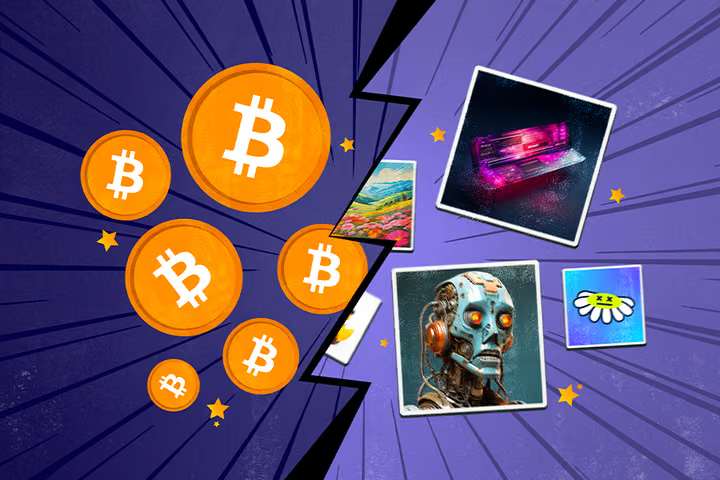
Bitcoin Ordinals vs NFTs: What’s the Difference?
Bitcoin Ordinals and NFTs are often discussed as if they are completely separate technologies. In reality, they overlap significantly: both can represent unique digital collectibles, artwork, media, memberships, game assets,…

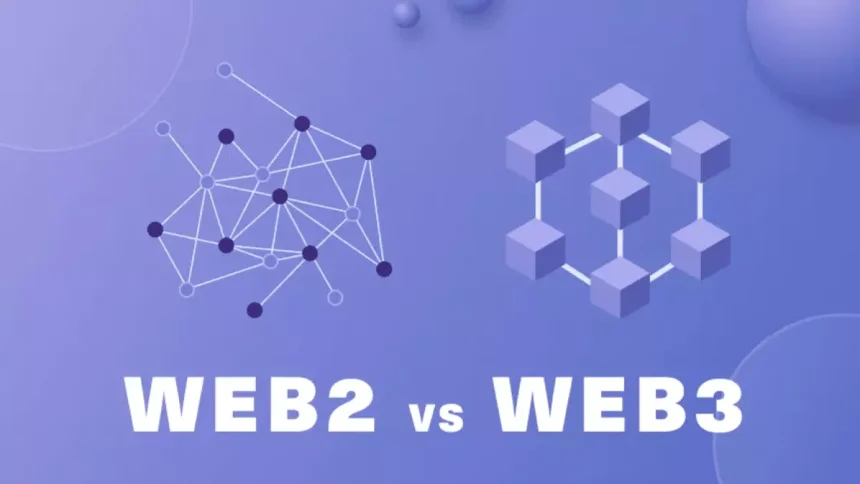
Web2 vs Web3: What’s the Difference?
The internet has evolved from mostly static webpages into a highly interactive digital environment where people communicate, shop, work, create content, manage finances, and build online communities. The term Web2…

What Is Web3? How the Decentralized Internet Works
Web3 is a broad term for a proposed evolution of the internet in which users can interact with digital services through decentralized networks, blockchain-based applications, cryptographic wallets, tokens, and smart…

What Are RWA Tokens?
Real-world asset (RWA) tokens are blockchain-based digital representations of assets or financial claims connected to assets that exist outside the blockchain. These assets can include government bonds, real estate, commodities,…

What Is Real-World Asset Tokenization?
Real-world asset tokenization is the process of creating digital tokens on a blockchain or other programmable ledger that represent ownership, economic rights, or claims connected to assets that exist outside…
Bitcoin Lightning Network vs Bitcoin: What’s the Difference?
Bitcoin and the Bitcoin Lightning Network are often discussed as if they were competing cryptocurrencies or separate blockchains. They are not. Bitcoin is the underlying decentralized monetary network and blockchain.…

What Is Bitcoin Lightning Network and How Does It Work?
Bitcoin introduced a decentralized way to transfer value without relying on a central bank or payment processor. But the Bitcoin blockchain has a fundamental design trade-off: every on-chain transaction competes…

Smart Contracts Explained: How They Power Modern Blockchain Applications
Smart contracts are one of the foundational technologies behind modern blockchain applications. They allow software code to automatically execute predefined rules on a blockchain, enabling applications to manage assets, process…
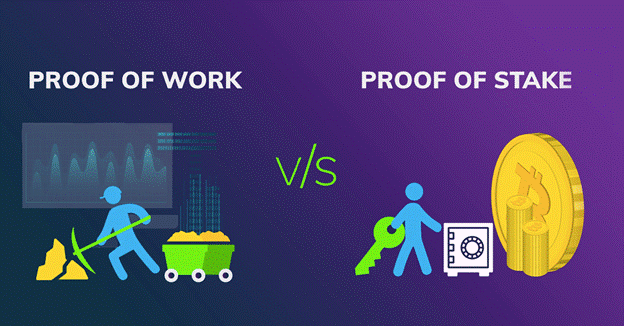
Proof of Work vs Proof of Stake: Complete Blockchain Comparison
Proof of Work (PoW) and Proof of Stake (PoS) are two of the most widely discussed blockchain consensus approaches. Both are designed to help distributed networks agree on which transactions…

What Is Decentralized Finance (DeFi)? A Beginner’s Guide
Decentralized finance, commonly called DeFi, is a part of the cryptocurrency and blockchain ecosystem that attempts to provide financial services through blockchain networks, smart contracts, and decentralized applications instead of…