

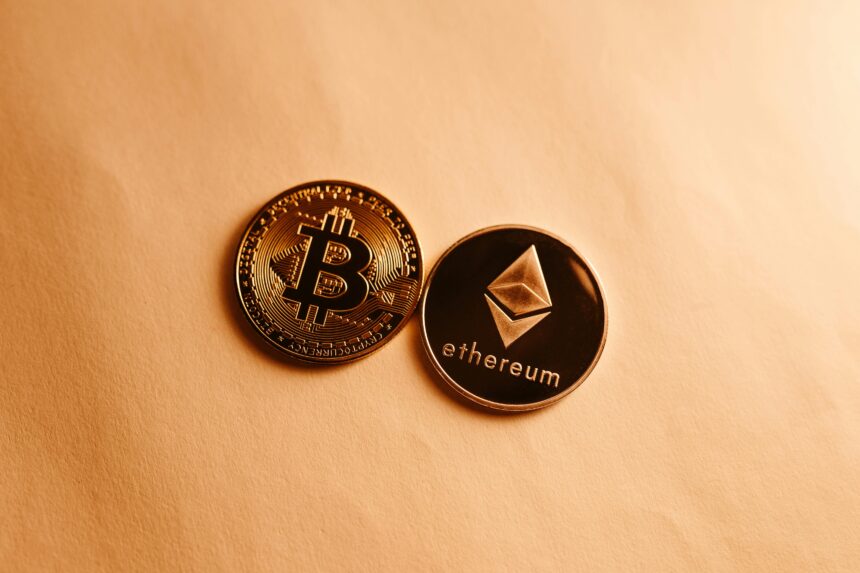
Blockchain technology has introduced a new digital revolution, changing the way people interact with online platforms and services. At the center of this transformation are utility tokens, which have become essential for powering decentralized ecosystems. These tokens are far more than digital currencies. They function as tools that allow users to access services, participate in governance, and engage with blockchain-powered platforms in meaningful ways.
- Understanding Utility Tokens
- Why Utility Tokens Matter in Decentralized Applications
- How Utility Tokens Operate Within Blockchain Ecosystems
- Real-World Applications of Utility Tokens
- Benefits of Utility Tokens in Web3 Ecosystems
- Challenges and Risks of Utility Tokens
- Common Myths About Utility Tokens
- The Relationship Between Utility Tokens and DApp Growth
- The Expanding Future of Utility Crypto
- Conclusion
- FAQs About Utility Tokens
As decentralized applications continue to expand, the demand for efficient and transparent systems has increased rapidly. Traditional applications rely heavily on centralized authorities for control and management. However, decentralized applications operate differently. They use blockchain technology and utility tokens to create open ecosystems where users can interact directly without intermediaries. This shift has accelerated the development of web3 apps and contributed significantly to ongoing dapp growth.
The rise of crypto tokens has also changed digital economies worldwide. Instead of relying on centralized payment systems or third-party platforms, users can now participate in peer-to-peer ecosystems where ownership and control are distributed across networks. Because of this, utility tokens are becoming one of the most influential components of modern blockchain infrastructure.
Understanding Utility Tokens
Utility tokens are blockchain-based digital assets created to provide access to specific products, services, or functions within a decentralized ecosystem. Unlike traditional cryptocurrencies that mainly act as stores of value or payment systems, utility tokens are designed to serve practical purposes inside blockchain applications. These tokens allow users to unlock platform features, pay transaction fees, participate in governance decisions, or receive rewards for engagement.
The token role in decentralized ecosystems can be compared to a digital access pass. Without these tokens, users may not be able to fully interact with blockchain applications or use advanced features. As a result, digital tokens have become a core element driving today’s decentralized technology ecosystem.
Why Utility Tokens Matter in Decentralized Applications
The growing importance of utility tokens is directly connected to the expansion of decentralized technologies. In traditional online systems, centralized organizations control user access, manage payments, and regulate platform activity. Decentralized applications remove this dependency by allowing blockchain networks to manage these processes automatically.
One of the most significant aspects of token use is that it creates self-sustaining digital economies. Users can interact directly with protocols, reducing the need for banks, payment processors, or centralized service providers. This improves efficiency while also increasing transparency within the system.
Utility tokens also help encourage participation. Many decentralized applications reward users for contributing to network growth, validating transactions, or engaging with the ecosystem. This incentive-based structure strengthens communities and supports long-term sustainability.
Another reason utility tokens are important is their ability to drive innovation within web3 apps. Developers can create decentralized ecosystems where users actively participate in governance and decision-making rather than simply consuming services.
How Utility Tokens Operate Within Blockchain Ecosystems
The functioning of utility tokens inside decentralized applications follows a clear and structured model. Developers first create the token and define its purpose within the ecosystem. This purpose may include payment processing, governance voting, access control, or reward distribution.
Once the token is developed, it becomes integrated into blockchain smart contracts. These smart contracts automatically execute transactions and interactions without requiring centralized oversight. Because the process is automated, blockchain systems become more transparent and secure.
Users then acquire utility tokens and begin using them within the platform. Some users may spend tokens to access premium features, while others may use them to vote on governance proposals or pay transaction fees.
As user participation increases, the overall strength and value of the ecosystem continue to expand. Increased participation often leads to greater network value and improved functionality. This process plays a major role in expanding blockchain use across industries.
Real-World Applications of Utility Tokens
Utility tokens are already being used in multiple industries, demonstrating their practical value in decentralized systems.
In decentralized finance platforms, utility tokens are used for staking, lending, borrowing, and liquidity provision. These systems allow users to access financial services without traditional banks or intermediaries.
In blockchain gaming, utility tokens have transformed how players interact with digital worlds. Gamers can purchase virtual assets, unlock exclusive content, and trade in-game items securely through blockchain networks. This creates true ownership of digital assets for players.
Content creation platforms also benefit from utility tokens. Instead of relying entirely on advertising revenue, creators can receive token-based rewards directly from their communities. This model supports fair compensation and encourages stronger audience engagement.
Supply chain management systems are another area where utility tokens are making a difference. Blockchain-based tracking systems can verify product authenticity and improve transparency throughout the supply chain process.
Benefits of Utility Tokens in Web3 Ecosystems
One of the greatest advantages of utility tokens is decentralization. By removing centralized authorities, users gain greater control over their digital interactions and assets. This creates more open and democratic online systems.
Another major benefit is transparency. Blockchain networks record every transaction publicly, allowing users to verify activities within the ecosystem. This reduces the risk of fraud and increases trust among participants.
Utility tokens also improve participation through incentive mechanisms. Users are rewarded for contributing to ecosystem growth, helping maintain active and engaged communities.
Global accessibility is another important advantage. Anyone with internet access can participate in decentralized ecosystems regardless of location. This creates opportunities for financial inclusion and digital participation on a global scale.
Additionally, utility tokens help improve efficiency by streamlining transactions and automating processes through smart contracts.
Challenges and Risks of Utility Tokens
Although utility tokens provide many benefits, they also present certain challenges that users and developers must consider carefully.
Market volatility remains one of the biggest concerns. Even though utility tokens are primarily designed for functional purposes, they can still experience price fluctuations influenced by broader crypto tokens market trends.
Regulatory uncertainty is another challenge. Governments and financial authorities around the world are still working to establish clear regulations for blockchain assets and decentralized systems. These evolving regulations may affect how utility tokens are used in the future.
Security vulnerabilities can also create risks. Poorly coded smart contracts may be exploited by hackers, potentially leading to financial losses or disruptions within decentralized applications.
Another issue is misinformation. Some projects incorrectly market speculative assets as utility tokens without providing meaningful functionality within their ecosystems.
Common Myths About Utility Tokens
Many people assume utility tokens are only investment assets, but this is not accurate. Their primary purpose is to support functionality within decentralized platforms rather than act solely as speculative investments.
Another common misconception is that all blockchain assets serve identical purposes. In reality, crypto tokens can be divided into different categories, including utility tokens, governance tokens, and security tokens, each with distinct functions.
Some users also believe utility tokens guarantee profits. However, their value depends largely on platform adoption, ecosystem growth, and user engagement rather than guaranteed financial returns.
The Relationship Between Utility Tokens and DApp Growth
The connection between utility tokens and dapp growth is extremely important. Utility tokens encourage users to participate actively in decentralized ecosystems, which helps applications expand organically.
Reward systems powered by tokens increase user engagement and encourage long-term participation. This creates stronger digital communities around decentralized applications.
Utility tokens also lower barriers to entry. Many blockchain platforms allow users to join ecosystems quickly without relying on complex traditional systems. This accessibility has accelerated the adoption of web3 apps worldwide.
As decentralized applications continue evolving, utility tokens will remain critical for supporting scalability, sustainability, and community-driven development.
The Expanding Future of Utility Crypto
The future of utility crypto looks increasingly promising as blockchain adoption continues to grow across industries. Businesses and developers are exploring new ways to integrate utility tokens into healthcare, education, logistics, entertainment, and financial services.
Artificial intelligence integration is expected to further strengthen decentralized ecosystems by improving automation and data processing capabilities. Cross-chain interoperability is another major development that will allow utility tokens to function across multiple blockchain networks seamlessly.
As Web3 technologies become more mainstream, utility tokens are likely to become an essential part of the digital economy. Their ability to combine functionality, accessibility, and decentralization positions them as a major force shaping the future internet.
Conclusion
Utility tokens have become one of the driving forces behind decentralized applications and modern blockchain ecosystems. They provide the functionality needed for users to access services, participate in governance, and engage with decentralized networks efficiently.
The growing adoption of web3 apps, combined with increasing blockchain use, highlights the expanding importance of utility tokens in digital systems. Their influence extends across finance, gaming, content creation, supply chains, and many other industries.
As technology continues evolving, utility tokens will likely play an even greater role in shaping decentralized economies and online experiences. Their impact on dapp growth and digital innovation confirms that they are not simply temporary trends but foundational components of the Web3 future.
FAQs About Utility Tokens
What are utility tokens used for?
Utility tokens are used to access services, pay fees, unlock features, and participate in decentralized blockchain ecosystems.
How do utility tokens differ from other crypto tokens?
Utility tokens focus on functionality and access within a platform, while other crypto tokens may represent governance rights or investment assets.
Can utility tokens increase in value?
Yes, utility tokens may increase in value depending on ecosystem adoption, demand, and overall network growth.
Why are utility tokens important for DApps?
They help decentralized applications operate efficiently by enabling payments, governance participation, and reward systems.
What is the future of utility crypto?
The future of utility crypto includes wider adoption across industries, improved interoperability, and stronger integration with emerging technologies like AI.