

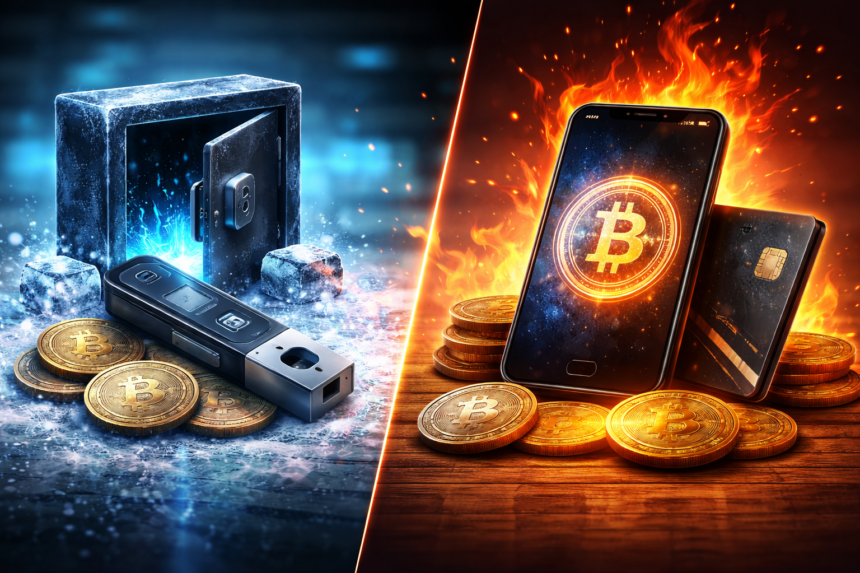
Are you worried about keeping your crypto safe in an era where digital theft and hacks make headlines daily? What happens if your Bitcoin wallet gets compromised — and how can you prevent that? Choosing the right Bitcoin wallet whether hot or cold storage isn’t just a technical detail; it’s one of the most important decisions you’ll make as a crypto owner.
- Introduction: Why Crypto Wallet Security Matters
- What Is a Bitcoin Wallet?
- What Is Hot Storage?
- What Is Cold Storage?
- In‑Depth Comparison: Hot vs Cold Wallets
- Step‑by‑Step: Setting Up Your Wallet
- Benefits and Key Insights You Need to Know
- Common Mistakes Crypto Users Make
- 1. Not Backing Up Seed Phrases
- 2. Keeping Everything in One Place
- 3. Falling for Phishing Schemes
- 4. Neglecting Software Updates
- 5. Using Public Wi‑Fi
- Best Practices for Keeping Your Crypto Safe
- When Should You Use Hot vs Cold Wallets?
- Cost, Time, and Expectations for Wallet Setup
- Real‑World Crypto Wallet Use Cases
- Future of Crypto Wallets
- Conclusion: Protect Your Crypto with Confidence
- Frequently Asked Questions (FAQs)
In this comprehensive guide, we’ll break down exactly what Bitcoin wallets are, the differences between hot and cold storage, how to choose what’s right for you, and how to protect your crypto in the long run. By the end, you’ll understand the essentials and beyond — not just to store Bitcoin but to secure your digital wealth with confidence.
Introduction: Why Crypto Wallet Security Matters
Imagine waking up one day to find that your Bitcoin stash — perhaps worth thousands or even tens of thousands — has disappeared overnight with no way to reverse the transaction. This nightmare has happened to countless crypto holders who used wallets with poor security or failed to protect their private keys properly.
Unlike traditional banks, crypto transactions are irreversible. If someone gains access to your wallet and transfers out your Bitcoin, there’s no customer service hotline to call for a refund. No chargebacks, no dispute resolution, and no central authority to undo the damage.
That’s why understanding the difference between hot and cold wallets — and choosing the right storage method for your needs — is essential. Your crypto security depends on it.
What Is a Bitcoin Wallet?
A Bitcoin wallet isn’t a physical object like a leather wallet. Instead, it’s software or hardware that stores your public key and private key — two pieces of data required to access and manage your Bitcoin.
Public vs Private Keys
- Public Key: This is similar to your bank account number — a safe string of characters you can share with others to receive crypto.
- Private Key: Think of this as your password. It grants complete control over the Bitcoin held in that wallet. Anyone with your private key can spend your Bitcoin.
Your wallet itself doesn’t actually store your Bitcoin on a device. Instead, Bitcoin exists on the blockchain — a decentralized digital ledger. The wallet stores your keys, which allow you to interact with that blockchain.
What Is Hot Storage?
Hot storage refers to any crypto wallet that is connected to the internet. Because these wallets are accessible online, they are typically more convenient but come with higher security risks.
Types of Hot Wallets
Hot wallets include:
- Mobile Wallets – Wallet apps you install on your phone.
- Web Wallets – Wallets accessible through a browser or provided by exchanges.
- Desktop Wallets – Software downloaded to your computer.
- Exchange Wallets – Custodial wallets where the exchange controls your private keys.
Benefits of Hot Wallets
Hot wallets are the best choice due to their ease of use:
- Quick access: Perfect for frequent trades and daily crypto activity.
- User‑friendly: Designed for beginners and seasoned traders alike.
- Free or low cost: Most web and mobile wallets don’t cost anything to use.
Risks of Hot Wallets
However, hot wallets face inherent security challenges:
- Online vulnerability: Connected to the internet means always exposed to hackers.
- Phishing attacks: Fake websites or apps can trick you into revealing your login data.
- Malware risks: Devices infected with malware could leak your private keys.
Despite these risks, hot wallets are suitable for storing smaller amounts of crypto that you intend to use actively. More on that in the “When to Use Hot vs Cold Wallets” section.
What Is Cold Storage?
Cold storage refers to wallets that aren’t connected to the internet. Because they are offline, cold wallets are widely regarded as the most secure way to store your crypto, especially if you’re holding significant amounts or planning to hold for the long term.
Types of Cold Wallets
Cold storage options include:
- Hardware Wallets: Physical devices that securely store your private keys.
- Paper Wallets: A printout of your keys and QR codes on paper.
- Air‑gapped Wallets: Devices that connect to the internet only through secure processes.
Hardware wallets like Ledger and Trezor are the most common and trusted cold storage options. They isolate your private keys offline, which drastically reduces the risk of online hacks.
In‑Depth Comparison: Hot vs Cold Wallets
Choosing between hot and cold storage doesn’t have to be confusing if you understand their purposes.
Accessibility
- Hot Wallets: Instant, convenient access from any connected device.
- Cold Wallets: Require physical access and setup but much more secure.
Security
- Hot Wallets: Vulnerable to online threats.
- Cold Wallets: Offline storage means significantly reduced risk.
Use Case
- Hot Wallets: Best for daily transactions, trading, or small balances.
- Cold Wallets: Best for long‑term holdings and large portfolios.
Cost
- Hot Wallets: Often free.
- Cold Wallets: Generally cost between $50 and $200 for quality hardware options.
Step‑by‑Step: Setting Up Your Wallet
How to Set Up a Hot Wallet
- Choose a Reputable Wallet Provider: Research wallet reviews, community reputation, and developer support.
- Install the App: Use official links from the provider’s website — never download from unknown sources.
- Create an Account: Enter a strong password and enable two‑factor authentication (2FA).
- Backup Your Recovery Phrase: This is usually a 12–24 word phrase used to restore your wallet. Write it down and store it offline — never online.
How to Set Up a Cold Wallet
- Purchase a Trusted Device: Hardware wallets like Ledger Nano or Trezor are recommended.
- Initialize the Wallet: Follow on‑screen instructions to set a PIN.
- Record Your Seed Phrase: Like hot wallets, cold wallets provide a recovery phrase — keep it offline.
- Transfer Crypto: Move funds from an exchange or hot wallet to your new cold wallet.
Benefits and Key Insights You Need to Know
Here are important insights drawn from years of crypto security best practices:
Benefits of Hot Wallets
- Best for active trading
- Easy to use for beginners
- Often integrates with exchanges
Benefits of Cold Wallets
- Maximum security
- Ideal for long‑term investment strategies
- Keeps keys offline to avoid hacks
Common Mistakes Crypto Users Make
Whether you’re new to crypto or a seasoned investor, common mistakes can lead to loss of funds.
1. Not Backing Up Seed Phrases
Your wallet’s recovery seed phrase is your lifeline. Losing it means losing access permanently if your device fails.
2. Keeping Everything in One Place
Storing all your crypto in an exchange wallet or a single hot wallet can put your entire portfolio at risk if that service is hacked.
3. Falling for Phishing Schemes
Always double‑check URLs, avoid unsolicited messages, and never share your private keys.
4. Neglecting Software Updates
Whether it’s a mobile wallet or a hardware device, updates often include vital security patches.
5. Using Public Wi‑Fi
Avoid accessing hot wallets over public networks. Hackers can intercept unsecured connections.
Best Practices for Keeping Your Crypto Safe
- Enable Two‑Factor Authentication (2FA): Adds a layer of security.
- Use Strong, Unique Passwords: Never reuse passwords across services.
- Use Multi‑Signature Wallets: Ensure transactions need approval from multiple parties for added security.
- Educate Yourself on Scams: Staying informed is one of the best defenses.
- Store Recovery Phrases Offline: Never take photos or save them digitally.
When Should You Use Hot vs Cold Wallets?
Hot Wallets
Use hot wallets when:
- You trade crypto frequently
- You need quick access to funds
- You keep smaller amounts under active management
Cold Wallets
Use cold wallets when:
- You hold crypto long‑term
- Your holdings are large or valuable
- Security is your top priority
Cost, Time, and Expectations for Wallet Setup
Hot Wallet Expectations
- Cost: Free or minimal
- Setup Time: 5–10 minutes
- Best For: Beginners and frequent users
Cold Wallet Expectations
- Cost: $50–$200 (hardware wallets)
- Setup Time: 10–30 minutes
- Best For: Long‑term storage
Real‑World Crypto Wallet Use Cases
Here are two common scenarios crypto holders encounter:
Case 1: Daily Trader
Alice trades Bitcoin and Ethereum daily. She keeps small balances in hot wallets to execute trades quickly on exchanges. Her primary concern is accessibility and speed rather than storing long‑term wealth.
Case 2: Long‑Term Investor
Bob holds Bitcoin for the long haul. He doesn’t trade routinely. Instead, he uses a hardware wallet to store the majority of his crypto, keeping only a small amount in hot wallets for occasional transactions.
These examples illustrate how different storage strategies serve different needs.
Future of Crypto Wallets
As crypto adoption grows, wallet technology continues to evolve:
- Multi‑Chain Wallets: Manage assets across several blockchains from one convenient app.
- Biometric Security: Fingerprint or facial recognition for added protection.
- Smart Contract‑Enabled Wallets: For more advanced DeFi interactions.
Keeping up with wallet innovations will help you secure your crypto while maximizing convenience.
Conclusion: Protect Your Crypto with Confidence
Choosing the right Bitcoin wallet is more than a technical decision — it’s a security strategy. Hot wallets offer accessibility and convenience, while cold wallets provide unmatched protection against digital threats.
Your crypto journey should begin with securing your digital assets properly. Whether you’re new to Bitcoin or managing a diversified portfolio, understanding hot vs cold storage empowers you to make the right choices for peace of mind and financial safety.
Frequently Asked Questions (FAQs)
1. What is the safest type of Bitcoin wallet?
Cold wallets are generally the safest because they keep private keys offline and away from online threats.
2. Can I use both hot and cold wallets together?
Yes! Many crypto holders use a hot wallet for day‑to‑day transactions and a cold wallet for long‑term storage.
3. How do hardware wallets protect my crypto?
Hardware wallets store private keys on an offline device, making them unreachable by online hackers.
4. Is it safe to store crypto on an exchange?
While convenient, exchange wallets pose custody risks since the exchange controls your keys, not you.
5. What happens if I lose my wallet’s seed phrase?
If you lose your seed phrase and your device fails, you lose access permanently. Always back it up securely.
6. Do cold wallets expire or break?
Hardware devices can fail or get lost. That’s why backups (seed phrases) are essential.