
Decentralized finance and blockchain communities are changing how organizations operate. Instead of a traditional leadership structure, many blockchain projects now rely on DAO governance tokens to guide decisions. These tokens give holders a voice in shaping policies, funding proposals, upgrades, and overall direction.
- What Is a DAO?
- What Are DAO Governance Tokens?
- How DAO Governance Tokens Enable Decentralized Decision Making
- Types of DAO Governance Models
- The Role of DAO Treasury Management
- Benefits of DAO Governance Tokens
- Challenges in DAO Governance
- Whale Dominance
- Low Voter Participation
- Governance Attacks
- Complex Decision Making
- Regulatory Uncertainty
- Real Examples of DAO Governance in Action
- Future of DAO Governance Tokens
- Best Practices for Effective DAO Governance
- FAQs
This article explains how DAO governance tokens manage decentralized decision making, how the process works, why projects use them, and what challenges still exist.
What Is a DAO?
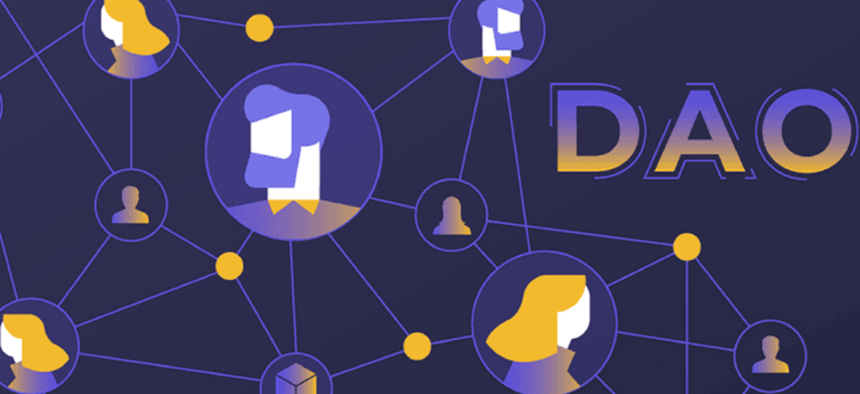
A Decentralized Autonomous Organization (DAO) is an online organization that runs through smart contracts on a blockchain. Instead of executives or managers, decisions are made collectively by token holders.
Many well known blockchain ecosystems rely on DAO structures, including projects built on Ethereum. Popular DAOs such as MakerDAO and Uniswap use governance tokens to allow community members to influence important decisions.
In simple terms, a DAO works like a digital cooperative where rules are transparent and voting happens on-chain.
What Are DAO Governance Tokens?
DAO governance tokens are digital assets that grant holders voting rights within a decentralized organization. These tokens allow users to participate in:
- Protocol upgrades
- Treasury spending decisions
- Fee structure changes
- Partnerships and integrations
- Risk management rules
- Community initiatives
Unlike traditional shares in a company, governance tokens often combine ownership, voting power, and community participation.
Key Characteristics of Governance Tokens
- Voting power
Token holders can vote on proposals affecting the project. - Transparency
Every vote and proposal is recorded on the blockchain. - Decentralized control
Decisions are not controlled by a single authority. - Community-driven development
The direction of the project depends on the collective voice.
How DAO Governance Tokens Enable Decentralized Decision Making
1. Proposal Creation
The decision process begins when a community member or developer submits a proposal. This proposal may include:
- Technical updates
- Protocol improvements
- Treasury allocation
- Marketing initiatives
- Security changes
Most DAOs require a minimum number of governance tokens to submit proposals. This helps prevent spam and low-quality suggestions.
SEO keywords: DAO proposal system, governance proposal mechanism, decentralized voting process.
2. Community Discussion Phase
Before voting begins, proposals are usually discussed in forums, governance platforms, or community channels.
During this phase, token holders evaluate:
- Technical feasibility
- Economic impact
- Security risks
- Long-term benefits
Community feedback plays a major role in refining proposals.
SEO semantic keywords: DAO governance discussion, decentralized governance forums, blockchain community voting.
3. On-Chain Voting
After discussion, the proposal moves to voting. Token holders use their governance tokens to cast votes.
Voting systems in DAOs can include:
Token-weighted voting
The more tokens a user holds, the stronger their vote.
Quadratic voting
Reduces the influence of large holders by balancing voting power.
Delegated voting
Token holders assign their voting rights to trusted representatives.
This structure allows large communities to participate efficiently in governance.
SEO keywords: DAO voting mechanism, token-based voting system, decentralized governance model.
4. Smart Contract Execution
Once a proposal passes the required voting threshold, smart contracts automatically execute the decision.
This could trigger actions such as:
- Updating protocol parameters
- Releasing funds from the treasury
- Implementing new features
- Adjusting reward systems
Automation ensures that outcomes are transparent and cannot be manipulated after approval.
SEO semantic keywords: smart contract governance, automated DAO execution, blockchain governance infrastructure.
Types of DAO Governance Models
Different DAOs use different governance structures depending on their goals.
Token Holder Governance
This is the most common model. Token holders vote directly on proposals and protocol changes.
Benefits:
- Direct participation
- Transparent decision making
- Strong community involvement
Challenges:
- Voting fatigue
- Low participation rates
Delegated Governance
In this model, token holders delegate their voting rights to trusted individuals or governance experts.
This approach is used by many large DAOs to improve efficiency.
Benefits:
- More informed decisions
- Faster governance
- Reduced complexity for casual holders
SEO keywords: delegated DAO governance, governance delegates in crypto.
Council-Based Governance
Some DAOs create a smaller council responsible for reviewing proposals before public voting.
This helps maintain quality control and security.
Benefits:
- Structured decision making
- Risk management
- Faster implementation
The Role of DAO Treasury Management
A major function of governance tokens is controlling the DAO treasury. Many decentralized organizations hold millions of dollars in assets used for:
- Development funding
- Ecosystem grants
- Security audits
- Partnerships
- Liquidity programs
Token holders vote on how these funds are used. This ensures that spending aligns with community priorities.
SEO keywords: DAO treasury governance, decentralized funding model, crypto treasury management.
Benefits of DAO Governance Tokens
True Decentralization
DAO governance tokens distribute power across a global community instead of concentrating it in a central team.
Transparency
All governance actions are publicly visible on the blockchain.
Community Alignment
Users who hold tokens are often invested in the success of the project.
Faster Innovation
Open governance allows new ideas to emerge from the community.
Global Participation
Anyone with internet access and tokens can participate in governance.
SEO semantic keywords: decentralized organizations, community governance in blockchain, trustless governance model.
Challenges in DAO Governance
Despite their advantages, DAO governance tokens also come with challenges.
Whale Dominance
Large token holders can influence decisions significantly.
Low Voter Participation
Many token holders do not actively vote, which weakens decentralization.
Governance Attacks
Malicious actors may attempt to manipulate votes or proposals.
Complex Decision Making
Technical proposals can be difficult for average participants to evaluate.
Regulatory Uncertainty
DAO governance frameworks are still evolving from a legal perspective.
SEO keywords: DAO governance risks, decentralized governance challenges, crypto governance issues.
Real Examples of DAO Governance in Action
Many blockchain ecosystems have demonstrated how governance tokens work in practice.
DeFi Protocol Governance
Platforms like Aave allow token holders to vote on lending parameters, risk management updates, and new asset listings.
Stablecoin Governance
Communities such as Curve Finance manage liquidity incentives and reward distributions through governance voting.
These systems show how decentralized decision making can operate at scale.
Future of DAO Governance Tokens
The next phase of DAO governance is evolving rapidly. Several improvements are already being explored:
- AI assisted governance analysis
- Reputation based voting systems
- Cross-chain governance models
- Improved voting participation tools
- On-chain identity verification
As the blockchain ecosystem grows, governance tokens will likely become a core component of digital organizations and Web3 infrastructure.
SEO keywords: future of DAO governance, Web3 governance systems, decentralized governance innovation.
Best Practices for Effective DAO Governance
Projects that want successful governance systems usually follow these principles:
- Clear governance framework
- Transparent proposal guidelines
- Active community engagement
- Security focused voting systems
- Balanced voting models
Strong governance leads to stronger ecosystems.
FAQs
What is the purpose of DAO governance tokens?
DAO governance tokens give community members voting rights to influence decisions related to protocol updates, treasury spending, and ecosystem growth.
How do governance tokens differ from regular crypto tokens?
Governance tokens primarily focus on decision making within a decentralized organization, while regular tokens may only represent value or utility.
Can anyone participate in DAO governance?
Yes. Anyone who holds the governance token of a DAO can participate in voting, depending on the platform’s rules.
Are DAO governance systems secure?
They are generally secure due to blockchain transparency and smart contracts, but vulnerabilities can exist if governance models are poorly designed.
Why are governance tokens important for decentralized projects?
They allow projects to grow through community input instead of centralized leadership, creating a more transparent and democratic system.