
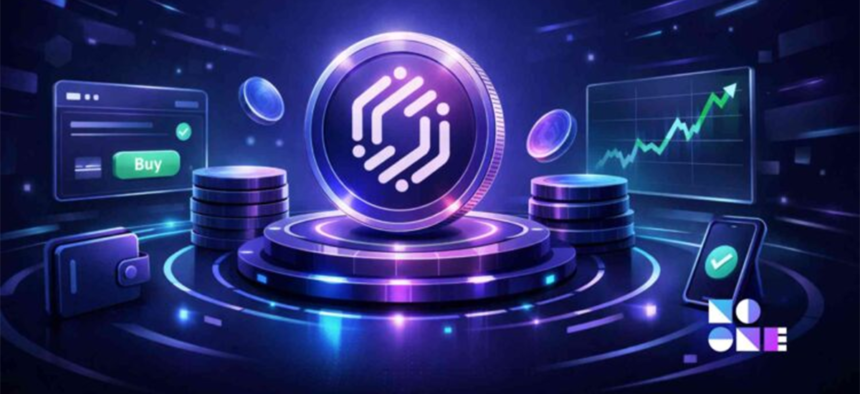
In the rapidly evolving world of digital currencies, governance tokens have emerged as a powerful tool for decentralized decision-making. Unlike traditional cryptocurrencies, which primarily serve as a medium of exchange or a store of value, governance tokens provide holders with the ability to influence the future of a blockchain project. This blog explores what governance tokens are, how they work, their benefits and drawbacks, and why they are reshaping the landscape of decentralized finance (DeFi).
- Understanding Governance Tokens
- How Governance Tokens Work
- Types of Governance Tokens
- Key Features of Governance Tokens
- Advantages of Governance Tokens for Users
- Risks and Challenges of Governance Tokens
- Real-World Examples of Governance Tokens
- Governance Tokens vs Traditional Corporate Shares
- How Governance Tokens Affect the Future of DeFi
- SEO and Semantic Keywords Used
- FAQs About Governance Tokens
- What is a governance token in simple terms?
- How do governance tokens give users voting power?
- Can anyone buy governance tokens?
- Are governance tokens the same as regular cryptocurrencies?
- What are some risks of holding governance tokens?
- Do governance tokens have financial value?
- How are governance tokens different from company shares?
- Conclusion
Understanding Governance Tokens
Governance tokens are a type of crypto asset that gives users voting rights within a decentralized network or protocol. These tokens are often issued by DeFi platforms, DAO (Decentralized Autonomous Organizations), or other blockchain-based projects. The main purpose of a governance token is to allow the community to participate in key decisions, such as:
- Protocol upgrades
- Fee structures
- Allocation of treasury funds
- Addition or removal of features
Unlike traditional corporate shares that give voting rights proportional to ownership in a company, governance tokens provide voting power proportional to the number of tokens held. This enables communities to collectively decide the future of a decentralized project without relying on a central authority.
How Governance Tokens Work
Governance tokens operate on blockchain smart contracts, which automatically record votes and proposals. The typical process involves the following steps:
- Proposal Creation – Any token holder can create a proposal for changes in the protocol. For example, a proposal might suggest increasing staking rewards or integrating with a new liquidity pool.
- Voting Period – Token holders cast their votes during a defined period. Votes are usually weighted based on the number of tokens held.
- Execution – If a proposal receives enough votes to meet the quorum or threshold, it is executed automatically via smart contracts.
- Transparency – Every proposal and vote is recorded on the blockchain, ensuring that decisions are transparent, traceable, and tamper-proof.
This decentralized governance system allows projects to operate in a community-driven manner, reducing reliance on centralized teams and increasing accountability.
Types of Governance Tokens
Governance tokens can vary depending on the platform and the specific governance model. Here are the most common types:
1. Pure Governance Tokens
These tokens are primarily used for voting and decision-making. They rarely have a monetary function and are not meant for trading like standard cryptocurrencies.
Example: MKR (MakerDAO) – holders can vote on changes to the Maker protocol.
2. Utility + Governance Tokens
Some tokens combine governance power with utility features, such as staking, rewards, or transaction fee discounts.
Example: AAVE – holders can participate in governance while also using the token for borrowing, lending, and staking.
3. Hybrid Tokens
These tokens have multiple uses, including governance, network security, and access to premium features. They aim to align community incentives with the long-term success of the project.
Key Features of Governance Tokens
Governance tokens are more than just voting tools. They offer several features that make them integral to DeFi ecosystems:
- Decentralization of Control – Users collectively decide the project’s direction, reducing centralized control.
- Incentivized Participation – Token holders often receive rewards for participating in governance, encouraging active community engagement.
- Transparency – Blockchain-based voting ensures that all decisions are publicly recorded and immutable.
- Flexibility – Governance mechanisms can adapt over time based on community feedback.
Advantages of Governance Tokens for Users
Governance tokens bring several benefits to holders and the projects they govern:
1. Empowering Users
Holders have a direct say in how a project operates. Decisions like upgrades, partnerships, and fund allocation are no longer controlled by a small team but by the community.
2. Incentivized Engagement
Many platforms reward users for voting or staking governance tokens, creating a win-win scenario. Active participants earn rewards while shaping the platform’s future.
3. Transparent Decision-Making
All proposals, votes, and outcomes are recorded on the blockchain. This level of transparency ensures that decisions cannot be altered or manipulated.
4. Value Creation
Successful governance decisions often increase the protocol’s utility and value. Token holders indirectly benefit from improved network performance and adoption.
Risks and Challenges of Governance Tokens
While governance tokens are powerful, they also come with certain risks:
1. Concentration of Voting Power
Large token holders, sometimes called whales, may dominate voting, undermining decentralization.
2. Low Participation
Not all token holders vote regularly, which can lead to decisions being made by a small fraction of the community.
3. Technical Risks
Smart contract vulnerabilities can affect the execution of proposals. Even with voting, malicious actors might exploit protocol bugs.
4. Regulatory Uncertainty
As governance tokens grow in influence, regulators may scrutinize them, particularly if tokens are seen as securities.
Real-World Examples of Governance Tokens
Here are some well-known governance tokens in the crypto world:
- MKR (MakerDAO): Allows holders to vote on collateral types and risk parameters for the Maker stablecoin system.
- UNI (Uniswap): Token holders can propose and vote on protocol fee structures and liquidity incentives.
- AAVE: Combines governance rights with utility features like staking and liquidity provision.
- COMP (Compound): Users vote on interest rate models, new asset listings, and treasury allocations.
Governance Tokens vs Traditional Corporate Shares
While governance tokens may seem similar to corporate shares, there are key differences:
| Feature | Governance Tokens | Corporate Shares |
| Ownership | No ownership in a company | Partial ownership of a company |
| Voting | Voting proportional to tokens | Voting proportional to shares |
| Transparency | Blockchain-based | Private, sometimes opaque |
| Liquidity | Traded on crypto exchanges | Traded on stock exchanges |
| Participation | Open to anyone holding tokens | Limited to shareholders |
These differences make governance tokens ideal for decentralized ecosystems, where transparency and community participation are paramount.
How Governance Tokens Affect the Future of DeFi
Governance tokens are redefining how digital projects operate. By shifting control from centralized teams to decentralized communities, they enable projects to evolve organically based on collective feedback. Some trends to watch include:
- Cross-Chain Governance: Tokens governing multiple networks or projects simultaneously.
- Delegated Voting: Token holders delegate their votes to trusted participants, increasing efficiency.
- Integration with DAOs: Governance tokens are the backbone of Decentralized Autonomous Organizations, enabling automated, democratic decision-making.
The continued growth of governance tokens is expected to increase user trust and long-term sustainability in the DeFi ecosystem.
SEO and Semantic Keywords Used
- Governance tokens
- DeFi governance
- DAO voting
- Blockchain voting power
- Crypto governance
- Decentralized decision-making
- MKR, UNI, AAVE, COMP
- Decentralized finance
- Crypto community voting
Digital currency governance
FAQs About Governance Tokens
What is a governance token in simple terms?
A governance token is a digital asset that gives holders the right to vote on decisions affecting a blockchain project or decentralized protocol.
How do governance tokens give users voting power?
Voting power is proportional to the number of tokens held. Token holders can propose changes or vote on existing proposals via smart contracts.
Can anyone buy governance tokens?
Yes, most governance tokens are available on cryptocurrency exchanges. Buying them grants voting rights, depending on the number of tokens held.
Are governance tokens the same as regular cryptocurrencies?
Not exactly. While they can be traded like cryptocurrencies, their primary purpose is to enable voting and decision-making in decentralized projects.
What are some risks of holding governance tokens?
Risks include concentration of voting power, low voter participation, smart contract vulnerabilities, and potential regulatory scrutiny.
Do governance tokens have financial value?
Yes. While their main purpose is governance, successful projects often increase token demand, giving them monetary value.
How are governance tokens different from company shares?
Governance tokens do not represent ownership in a company. They provide voting rights for decentralized projects and are typically more transparent and accessible.
Conclusion
Governance tokens are more than a new type of cryptocurrency; they are the foundation of decentralized decision-making. By providing voting power to users, they empower communities, enhance transparency, and align incentives between project developers and token holders. While there are risks, such as vote concentration and regulatory uncertainty, the benefits of community-driven governance in shaping the future of DeFi are undeniable.
As blockchain technology continues to evolve, governance tokens will likely play an increasingly central role in digital ecosystems, giving users both a voice and a stake in the protocols they support.