
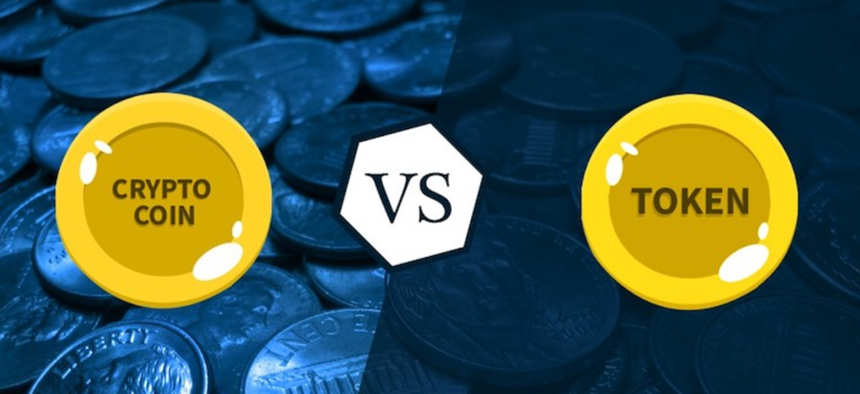
Cryptocurrency has become a major part of global finance, and the industry keeps expanding fast. With thousands of digital assets available today, the biggest confusion for beginners is understanding what types of cryptocurrencies exist and what the difference is between coins and tokens.
- What Is a Cryptocurrency? (Simple Definition)
- What Is a Coin in Cryptocurrency?
- What Is a Token in Cryptocurrency?
- Key Differences Between Coins vs Tokens
- Coins vs Tokens: Which Is Better?
- Types of Tokens Explained
- Coins vs Tokens: Real World Use Cases
- Coins vs Tokens: How They Are Created
- The Importance of Understanding Coins vs Tokens
- Key Risks and Challenges
- Coins vs Tokens: What to Consider Before Investing
- Frequently Asked Questions:
This matters because not all cryptocurrencies function the same way. Some are meant to be used as digital money, while others represent access to a service, ownership in a project, or even a vote in a decentralized system.
In this article, we’ll explain types of cryptocurrencies, and help you understand coins vs tokens, with clear examples and real-world use cases.
What Is a Cryptocurrency? (Simple Definition)
A cryptocurrency is a digital or virtual asset that uses cryptography for security. Most cryptocurrencies operate on a decentralized network, usually a blockchain.
Cryptocurrencies can be used for:
- Digital payments
- Investment
- Access to services
- Decentralized finance (DeFi)
- Digital ownership (NFTs)
Before you decide to invest or use cryptocurrency, it is important to know the difference between the main types: coins and tokens.
What Is a Coin in Cryptocurrency?
A coin is a cryptocurrency that operates on its own blockchain. It functions similarly to traditional money but in digital form.
Examples of coins:
- Bitcoin (BTC)
- Ethereum (ETH)
- Litecoin (LTC)
- Ripple (XRP)
Coins usually serve as:
- Store of value
- Medium of exchange
- Unit of account
For example, Bitcoin is widely viewed as digital gold, while Ethereum is known for enabling smart contracts and decentralized applications.
What Is a Token in Cryptocurrency?
A token is a cryptocurrency that operates on an existing blockchain. Tokens do not have their own blockchain and rely on a platform like Ethereum, Binance Smart Chain, or Solana.
Tokens can represent:
- Utility in a project
- Ownership of an asset
- Access to a service
- Voting rights in governance
Examples of tokens:
- USDT (Tether)
- UNI (Uniswap)
- LINK (Chainlink)
- CAKE (PancakeSwap)
Tokens are often used in decentralized finance (DeFi) and NFT marketplaces.
Key Differences Between Coins vs Tokens
Here are the main differences between coins and tokens:
| Feature | Coin | Token |
| Blockchain | Own blockchain | Existing blockchain |
| Function | Digital money | Utility, governance, or asset |
| Examples | Bitcoin, Ethereum | USDT, UNI, LINK |
| Use cases | Payments, store of value | DeFi, NFTs, access rights |
This distinction helps you understand why coins and tokens behave differently in markets and why their use cases vary.
Coins vs Tokens: Which Is Better?
There is no “better” option. It depends on what you want.
Coins are ideal for:
- Long-term value storage
- Cross-border payments
- Low transaction fees
Tokens are ideal for:
- Using decentralized apps
- Participating in DeFi
- Accessing services within a project
For example, if you want to use a DeFi platform, you might need the platform’s token. But if you want a stable long-term asset, a coin like Bitcoin might be a better choice.
Types of Tokens Explained
Tokens can be categorized into several types, each with a different purpose:
1. Utility Tokens
Utility tokens give users access to a product or service. They are not meant as investments but as functional tools.
Example: Binance Coin (BNB) used for trading fee discounts on Binance.
2. Security Tokens
Security tokens represent ownership in an asset, like stocks or real estate. They are often regulated and considered securities.
Example: Tokenized real estate or tokenized company shares.
3. Governance Tokens
Governance tokens allow holders to vote on decisions within a decentralized platform.
Example: UNI (Uniswap) allows users to vote on protocol changes.
4. Stablecoins
Stablecoins are tokens pegged to real-world assets like USD or EUR. They provide stability in volatile markets.
Example: USDT, USDC, BUSD
Stablecoins are popular in the USA, Europe, and Gulf states for trading and remittances.
5. Non-Fungible Tokens (NFTs)
NFTs are unique tokens representing ownership of a digital asset, such as art, music, or virtual land.Example: CryptoPunks, Bored Ape Yacht Club
Coins vs Tokens: Real World Use Cases
Coins Use Cases
Coins are primarily used as digital money or store of value. Examples include:
- Buying goods online
- Sending money internationally
- Storing value during inflation
Bitcoin is widely used in countries with unstable currencies, and this trend is also growing in Gulf states where digital adoption is high.
Token Use Cases
Tokens are mostly used within specific ecosystems. Examples include:
- Paying fees in DeFi platforms
- Participating in decentralized governance
- Using NFT marketplaces
- Accessing digital services
Tokens are also popular in Europe due to strong fintech adoption and regulation.
Coins vs Tokens: How They Are Created
How Coins Are Created
Coins are created through:
- Mining (Proof of Work)
- Staking (Proof of Stake)
- Pre-mined supply
Bitcoin uses mining, while newer coins often use staking for energy efficiency.
How Tokens Are Created
Tokens are created through smart contracts on existing blockchains. This makes token creation faster and cheaper compared to building a new blockchain.
This is why many new crypto projects launch tokens instead of creating coins.
The Importance of Understanding Coins vs Tokens
Understanding the difference between coins and tokens is important for:
- Making informed investments
- Using cryptocurrency safely
- Understanding how projects operate
- Avoiding scams and fraud
For users in the USA, Europe, and Gulf states, this knowledge is essential because regulatory rules vary and market behavior differs.
Key Risks and Challenges
While coins and tokens offer great opportunities, they also come with risks:
1. Volatility
Cryptocurrency prices can change rapidly, making them risky for short-term investments.
2. Regulatory Uncertainty
Different countries have different rules. Some countries are supportive, while others restrict cryptocurrency use.
3. Security Risks
If you lose your private key or use unsafe platforms, your assets can be stolen.
4. Scams and Fake Tokens
Many fake tokens are created daily. Always research the project before investing.
Coins vs Tokens: What to Consider Before Investing
If you want to invest in coins or tokens, consider:
- Project credibility
- Use case
- Regulatory environment
- Market adoption
- Team and technology
Coins often have stronger market stability, while tokens may offer high growth potential but higher risk.
Frequently Asked Questions:
What is the main difference between coins and tokens?
Coins run on their own blockchain, while tokens run on existing blockchains and represent utilities or assets.
Are tokens less valuable than coins?
Not necessarily. Tokens can be extremely valuable if the project has strong adoption and use cases.
Can a token become a coin?
Yes, if a project develops its own blockchain and migrates its token to become a native coin.
Are stablecoins considered coins or tokens?
Stablecoins are tokens because they are built on existing blockchains and represent pegged value.
What is a utility token?
A utility token gives access to a product or service within a platform.
What is a security token?
A security token represents ownership in an asset and is often regulated like traditional securities.
Are NFTs coins or tokens?
NFTs are tokens because they run on existing blockchains and represent unique assets.
What is a governance token?
A governance token allows holders to vote on changes and decisions within a decentralized platform.
Are coins safer than tokens?
Coins can be more stable, but safety depends on the project, security measures, and user practices.
How do I know if a token is real or a scam?
Research the project’s team, use case, community, audits, and market history before investing.